

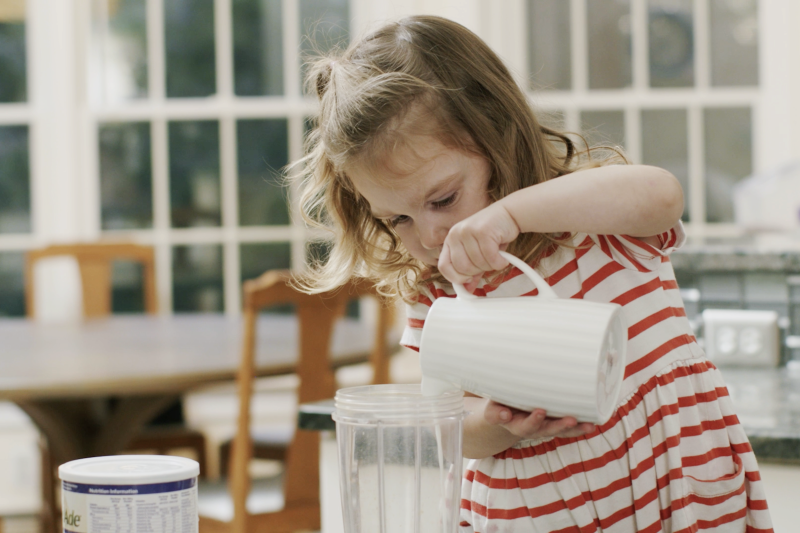
If you’re a parent of a child with phenylketonuria (PKU), a genetic metabolic condition, you know how much care and planning goes into managing their diet. Finding foods with limited phenylalanine (PHE), preparing meals, and making sure they drink their PKU formula all play an important role in their growth and development. Every bite of food and every sip of formula matters. It’s normal to feel the weight of this responsibility. You’ve worked hard to keep your child healthy and safe.
A PKU diet requires individuals to get most of their protein from formula because it is low in PHE or PHE-free. The remainder of their protein intake (coming from foods) is very limited. This is why a PKU diet is often called a low protein diet.
When teaching your child to be more independent with their low protein diet, it’s okay to feel unsure or even a little overwhelmed. Remember, independence doesn’t happen overnight. You don’t have to step back all at once. You’ll be there to guide your child, every step of the way. Together you can decide when they’re ready to take on more. Independence is a journey, not a single moment. It takes time, patience, and encouragement.
What matters most is taking that first step. Showing your child how they can make PKU-friendly choices about the foods they eat and mix their own PKU formula in ways that are simple and easy to understand is essential. As they grow, you can gradually give them more responsibility, building their confidence along the way. This blog is here to help you break down what can feel like a big, daunting task into smaller, manageable steps. We’ll share ideas to help you feel comfortable as you move from managing your child’s low protein diet and formula to supporting them as they learn to manage it themselves.
Building Independence
Letting your child make their own choices about what they eat and how to prepare their formula is much more than just teaching them the steps. It’s about helping them believe in themselves and their abilities; it’s about building their confidence.
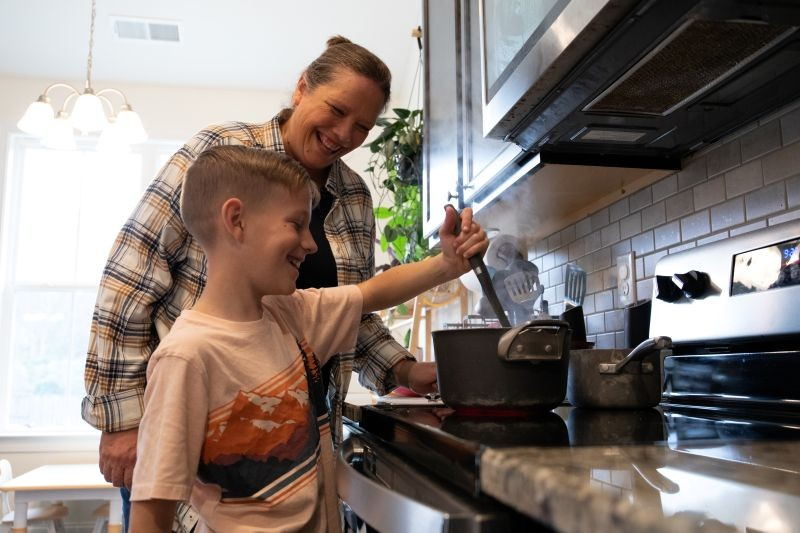
- Ownership Builds Lifelong Habits: When kids learn to do something on their own, they start to take pride in what they do. Learning how to choose the foods they eat and how to prepare their PKU formula is no different. This sense of ownership can help them build healthy habits as they grow into teens and adults.
- Reduces Anxiety Around Food: Giving children some control over their food choices and preparation can make mealtimes less stressful. When kids feel trusted to help, they’re less likely to see their diet as something that holds them back. Instead, they will feel empowered and more relaxed about what they eat. This can turn food from a source of worry into a source of confidence.
- Prepares for New Experiences: Life is unpredictable and full of exciting new experiences, like going to a friend’s birthday party, spending the night at a friend’s house, joining in a social event, or going away to college. Teaching your child to be independent now means they’ll be ready for these moments later. They’ll know how to manage their PKU diet on their own, which helps them feel included and confident wherever they go.
Building independence is a gradual process. It’s about giving your child the tools and encouragement they need, one step at a time. As they learn and grow, you’ll see their confidence blossom, not just in the kitchen, but in all areas of life.
When & How to Take the First Step into Letting Your child Manage Their PKU Diet
Taking the first step might not be as hard as you think. Many kids with PKU grow up with the awareness that they can’t always eat what their friends do at lunch. They know their PKU formula is special and important for their health and it can take time to prepare. They might watch you measure and mix their formula and already be learning from your example.
There’s no magic age to get started. Often around school ages (6-9 years old) is when children begin to follow simple instructions. Your child’s pediatrician can also help you decide when your child is ready to gradually start helping with their diet. Here are some signs that your child might be ready:
- They show interest in helping
- They can follow multi-step directions
- They understand why their special PKU formula is important
tips for a Gradual & Successful shift
For parents who love structure (and maybe color-coded charts!), here’s a few tips to help keep you involved while giving your child freedom:
Watch how the Mullen boys are taking charge of their PKU management.
- Start Small: Invite your child to join you in mixing their PKU formula. Let them help you measure the water or stir the formula. Simple tasks like shaking the container or pouring the formula into their favorite cup helps them feel included and capable. These small steps build their confidence and show them that you trust them to help.
- Create a Checklist: Visual guides, like a step-by-step checklist on how to mix their formula or a colorful chart for low-PHE foods, can make the process less intimidating for kids. For example, create a formula mixing checklist, hang it somewhere visible and walk through it together. This not only helps your child remember each step but also reassures you that nothing important is missing. Over time, your child will start to use the checklist on their own, building independence.
- Be a Supportive Coach: Stand back and watch as your child works through the steps to make their formula or decide on what to eat for a snack. Offer praise for their effort and progress, rather than correcting every tiny mistake. If something goes wrong, treat it as a learning opportunity. Your encouragement helps them feel safe to try, and your trust helps them grow.
- Celebrate Milestones: When your child makes a PKU-friendly choice or mixes their PKU formula for the first time, make it a special moment. Celebrate with a high-five, a sticker, or a fun activity. Recognizing these achievements makes the process enjoyable and motivates your child to keep learning.
How to ease Common concerns
Letting go can feel scary, especially when your child’s health depends on careful routines. It’s completely normal to have worries as you start giving your child more responsibility. Here are some common fears, and why it’s okay to have them:
- “What if they mess up?” Mistakes are a natural part of learning. If your child spills some formula or forgets a step, it’s not the end of the world. These moments are valuable teaching opportunities. Over time, your child will learn from these experiences, and a single slip won’t undo all the good work you’ve done managing their diet. Remember, progress is more important than perfection.
- “What if they refuse?” It’s normal to worry that your child might push back or say no when asked to take on new responsibilities. But often, giving kids a chance to be independent actually sparks cooperation. Children love feeling trusted and valued. When you show them you believe in their abilities, they’re more likely to step up and participate.
- “What if I lose control?” Sharing responsibility doesn’t mean you’re losing control, it means you’re helping your child grow. You’re still there to guide, support, and step in when needed. By letting your child take on more, you’re building a partnership. This shared responsibility is a win for both of you: your child gains confidence, and you gain peace of mind knowing they’re learning important life skills.
Letting go isn’t easy, especially when your child’s health depends on precision. But teaching independence is one of the greatest gifts you can give. Start slow, stay supportive, and remember you’re raising a child who can thrive, not just survive, with PKU.
Brought to you by Nutrition North America. Copyright 2026. All rights reserved.
